Sunday, 27 January 2019

Week 3, Day 4, Activity 1,2,3

DAY 4: Like a Scene Out of a Movie
Activity 1: The Southern Lights [4 points]
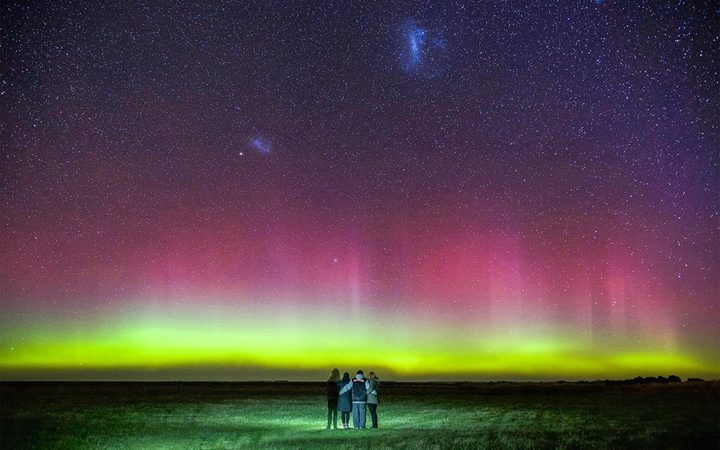
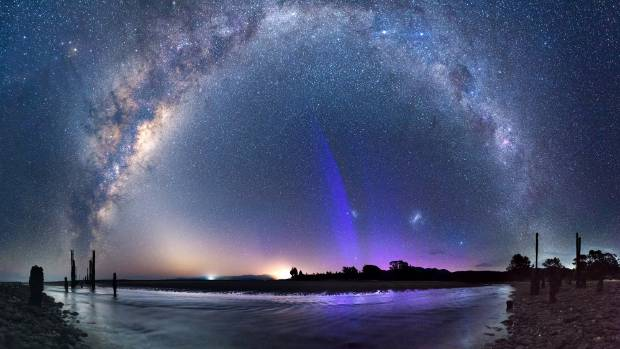
Once in a while a very special event takes place in New Zealand. It is a show of beautiful, bright lights that appear in the sky over the South Island. The lights are called the ‘Aurora Australis’ or ‘Southern Lights.’ They are similar to the ‘Northern Lights’ that are often seen in places like Northern Canada, Iceland, Sweden, Finland and Denmark. The southern and northern lights are so stunning that they often leave people, who are watching them, speechless.
For this activity, you are to write a short acrostic word poem about the beautiful lights. Hazel has written an acrostic poem about summer to give you an example.
S - Sun outside,
U - Umbrellas in the sand.
M -  My friends and I, having fun,
M - Making sandcastles,
E - Enjoying ice cream on a hot day,
R - Racing to the beach!
On your blog, use the word ‘LIGHTS’ to write an acrostic poem about the Southern Lights. Be as creative as you can!
For more information and examples of acrostic poems, check out this poetry website.
Lightning streaks light the sky
Intense colour bursts paint the sky
Gathering families come together to view the beautiful sight
Heavenly lasers and flashing lights beam across the sky
These lights are like a dream come true
Stars shining among the bright colours

Activity 2: The Seven Sisters [4 points]
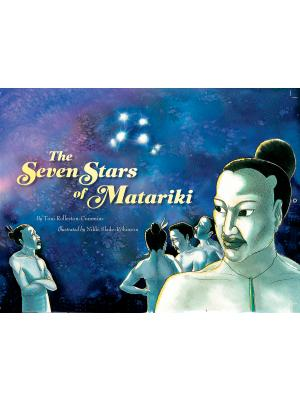
In the middle of winter, a very special cluster (group) of stars appear in the sky over New Zealand. This cluster is called the ‘Matariki star cluster.’ It re-appears in the sky each May/June and signals the start of the Māori New Year. Many songs (waiata) and stories have been written about the cluster. One of these is called ‘The Seven Stars of Matariki.’ It was written by a New Zealander named Toni Rolleston-Cummins. She is from Maketu. Click here to listen to Toni read her story.
On your blog, write a short summary of the book. What was it about? Try to summarise the story in 6-8 sentences.

There was once a young man called Mitai who lived with his seven brothers. He had been raised by his kororia, which he had learnt magic from. All his brothers weren't married because they wouldn't settle for anyone less beautiful than themselves.

One day Mitai and his brothers were out hunting. There were entranced by the most beautiful signing, curious they followed the sound to the top. Where they found the most beautiful wahine. When the wahine caught the eyes of the brothers, they all fell in love except Mitai. They brought them back to the village to make them there wives.

Mitai brothers didn't go hunting anymore, they took there time fishing for food for there wife's. They stopped worrying about feeding themselves, they soon turned skinny. Mitai grew more suspicious and asked his kororia what to do. Mitai hid behind a tree and when they flew away, he followed. He heard all about the secret plan and told his brothers. The next day they got a magic net and caught all the wife's. Mitai flew them to a god in the sky and said take them far, far, away, and so he did.

Activity 3: Crazy, Cool Clouds [5 points]
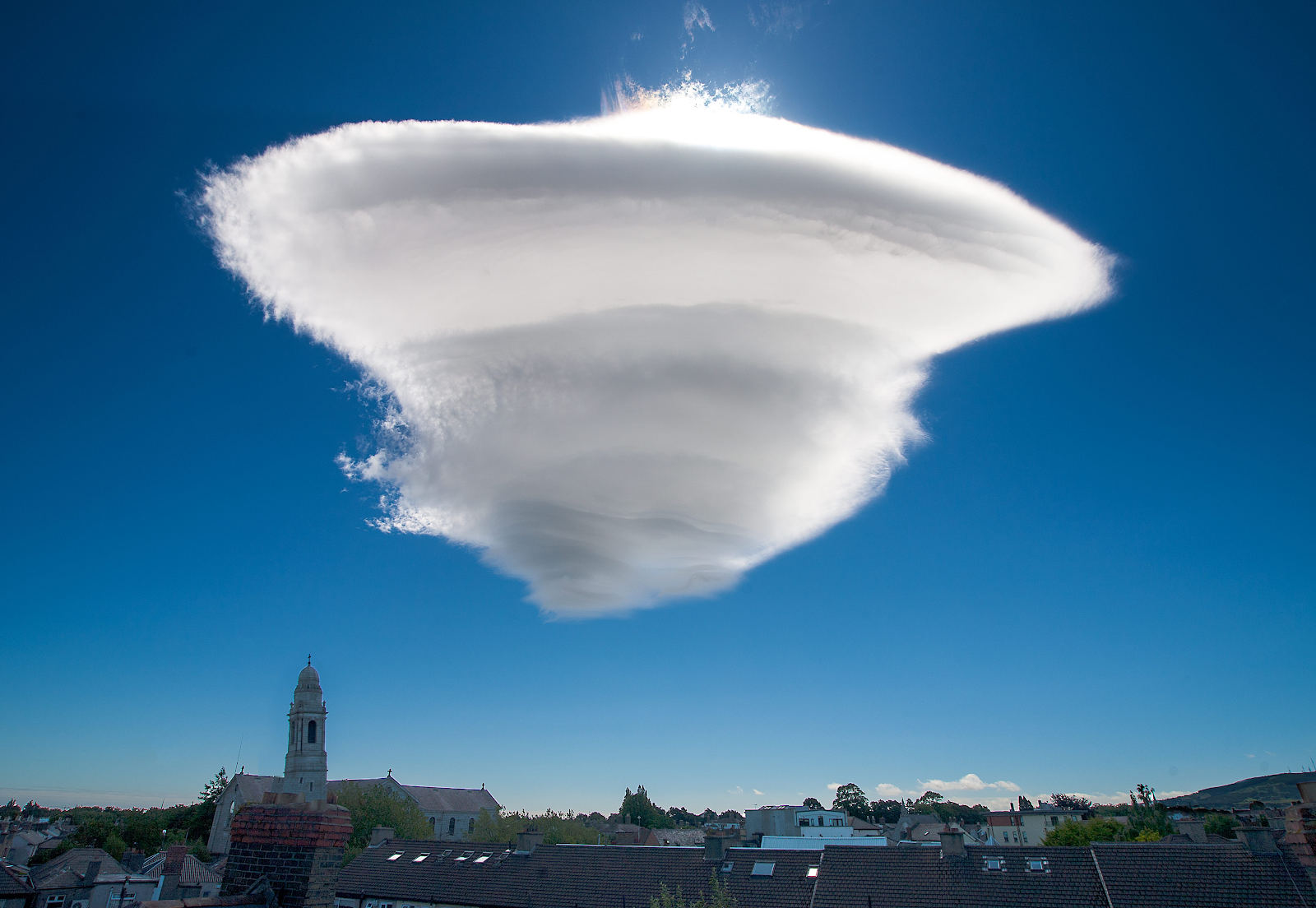
Have you ever looked up into the sky and seen a cloud that had a really cool shape? I certainly have, and so have dozens of other people. Take a look at the three pictures of crazy, cool cloud formations below.




From left to right: Picture 1, Picture 2, Picture 3
Clouds are formed when small drops of water stick together. To learn more about clouds and how they are formed, you can watch this cool video. Once you have learned about clouds, please choose your favourite cloud picture.
On your blog, tell us what you see in the photo. What shape(s) do you see? Be sure to tell us which picture (1, 2 or 3) you have chosen and describe what you see in lots of detail!.

I am choosing photo number two.

I look up and see the one big cloud in the sky, my eyes trying to adjust to the beautiful shape. My heart skips a beat as I think its a tornado. I glance up again in panic and realise its just a cloud, but not a normal one. I see the swirling design which reminds me as a spintop. The light shines straight inside it, reminding me of a stage light. Its so beautiful.

Wednesday, 16 January 2019

Week 3, Day 3, Activity 1,2,3

DAY 3: Taking Flight

Activity 1: Bird of the Year! [4 points]
Aotearoa New Zealand is home to many different kinds (species) of native birds.  Sadly, about a third of our native bird species are at risk of disappearing forever (becoming extinct).
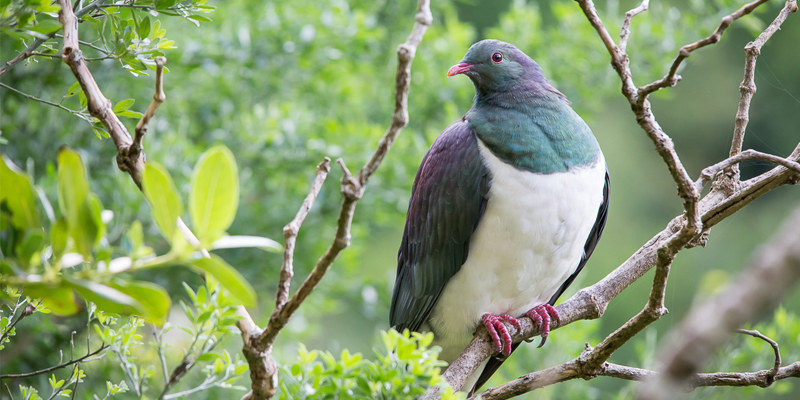
Each year, Forest and Bird New Zealand hold a ‘Bird of the Year’ competition where people can vote for their favourite native bird. This year, the winner was the kererū (or woodpigeon).
Go onto the Bird of the Year website, look through the native birds on the site, and choose one that interests you.
On your blog, write a short description of your bird. Where does your bird normally live? What does your bird normally eat?  Post a picture of the bird underneath your description. Be sure to attribute your picture properly.

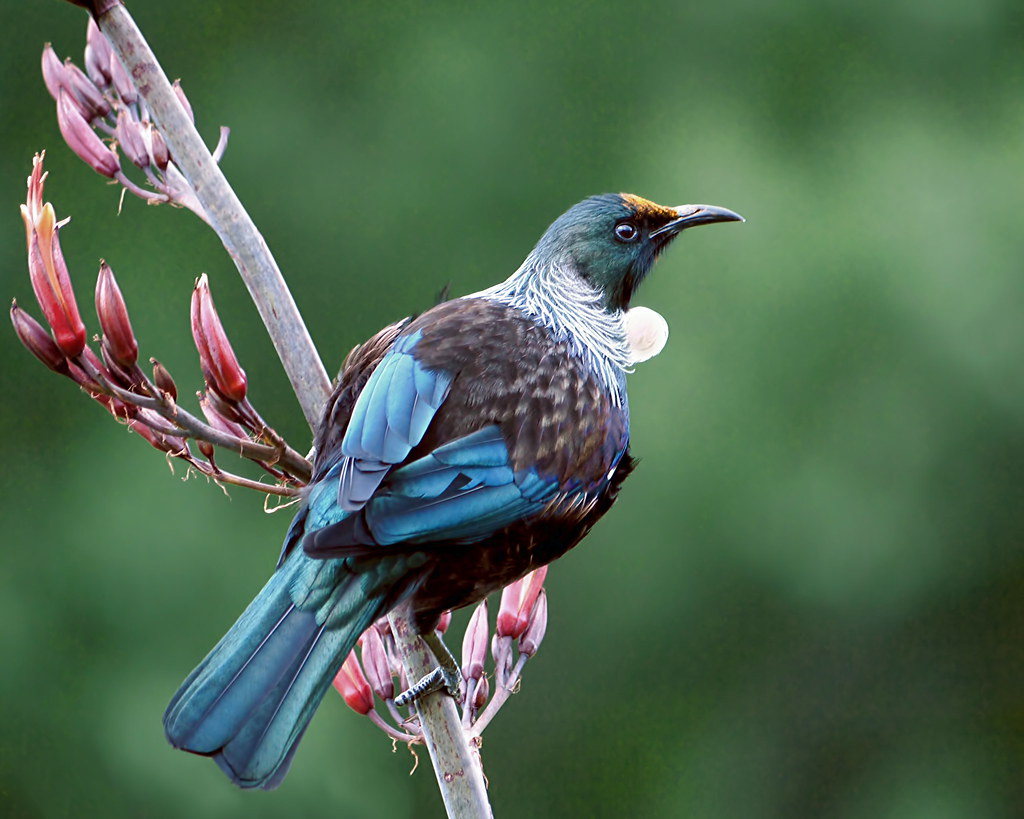
Tui's are the most beautiful and interesting birds. They are covered in beautiful brown, blue and grey feathers over there body. Tui's make the most musical sounds and sing the best songs, you normally hear them before you see them! They are known and recognised from their white tuft underneath their throat.

Tui's are found throughout the three main islands of New Zealand. They are scarce only in drier, largely open, country east of the Southern Alps. They live in native forests, bush reserves, and bush remnants.

Tui's mainly feed on the nectar from flowers of native plants, such as kōwhai, puriri, rewarewa, kahikatea, pohutukawa, rātā and flax. They will sometimes eat insects too. They are important pollinators of many native trees and will fly large distances, especially during winter for their favourite foods.

Image result for tui

Activity 2: Flying Foxes [4 points]
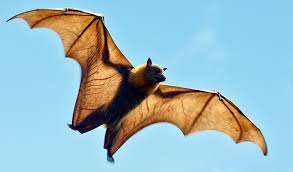
vNot only is New Zealand home to many native birds but we also have a number of native bats. Some of these bats are really small while others are much larger. None, however, are as large as the largest bat in Australia. It is called the flying fox (pictured below) and it has a wingspan of up to 6 feet or 2 metres. Wow! That is taller than most of us!
Flying foxes usually sleep during the day and hunt for food at night, using their ears to guide them through the darkness. Like other bats, they have the best hearing of any mammal. It is their ‘superpower.’
If you could have a superpower, what would it be? If I could choose, I would like to be able to fly. It would make it possible for me to fly back to Canada and visit my family whenever I wanted. How amazing would that be?!
On your blog, tell us what superpower you would like to have and why you’d like to have it.
If I could have a superpower, I would like to be able to fly. It would be cool to fly through the air passing the cars. It would be easy to visit places, no traffic except fellow birds. Flapping as the air catches them. This is what my superpower would be.

Activity 3: Wind Beneath My Wings [10 points]
Birds and bats are just two species of animal that are able to fly. Did you know that some fish, squirrels and snakes are also able to fly? Check out the ‘Top 10 Flying Animals of the World’ website to learn more about these incredible animals.
Once you have explored the site, choose one animal and create a digital learning object (DLO, eg. a poster) that tells us all about the animal. Be sure to include at least three interesting facts and a picture or two of your animal! Please follow these instructions for attributing your pictures properly.
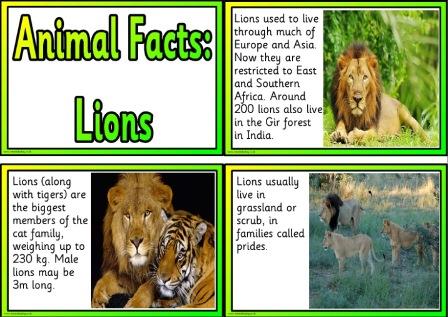
Here is an example of a DLO that was created about lions.
On your blog, post a final copy of your DLO..


Friday, 11 January 2019

Week 3, Day 2, Activity 1,2,3

DAY 2: The Air Up There

Activity 1: Bee Informed [4 points]
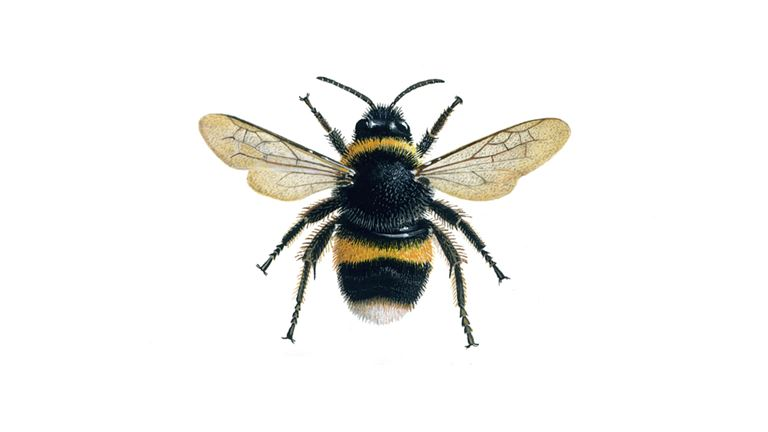
One of the most important, but least talked about, animals in New Zealand is the bumblebee. It was first introduced to New Zealand in 1885 to help pollinate a special plant called the ‘Red Clover.’ Today, bumblebees do many other important jobs, including the pollination of greenhouses and orchard crops. If the bees did not pollinate the plants, they would not survive.
For this activity, we would like you to bee-come detectives and to learn more about the mysterious, and often ignored, bumblebee. We will provide you with five sentences about bumblebees from the NZ Bumblebee Conservation Trust website and it is your job to fill in the blanks with the missing information about bees. Choose the phrase/word that makes the most sense from the list at the bottom. (Each phrase/word can only be used once).
To earn full points for this activity you must type all five sentences and then fill in the blanks for each one. Post the completed sentences on your blog.
Unbee-lievable Facts about Bumblebees
  • The word ‘bumblebee’ is a compound word (bumble + bee). The word ‘bumble’ means to hum, buzz, or drone.
  • Bumblebees can fly very quickly. They can reach ground speeds of _______ kilometres per hour (km/h).
  • Bumblebees are very strong! They carry up to ____ percent of their body weight in food with them to avoid starvation.
  • Bumblebees can do more work and carry more pollen than other bees, including honeybees. In fact, they can do up to   ______ times as much work as a normal honeybee.
  • The number of bumblebees is declining in New Zealand due to a number of factors, including the______________________________.
Phrase/Words/Numbers
...50                 ...90 ...removal of wildflowers and flowering trees, habitat loss, and extensive use of pesticides. ...hum, buzz, or drone                 ...54

1) The word "bumblebee" is a compound word (bumble + bee). The word "bumble" means to hum, buzz, or drone.
2)Bumblebees can fly very quickly. They can reach ground speeds of 54 kilometres per hour (km/h).
3)Bumblebees are very strong! They carry up to 90 percent of their body weight in food with them to avoid starvation.
4)Bumblebees can do more work and carry more pollen than other bees, including honeybees. In fact, they can do up to 50 times as much work as a normal honeybee.
5)The number of bumblebees is declining in New Zealand due to a number of factors, including the removal of wildflowers and flowering trees, habitat loss, and extensive use of pesticides.


Activity 2: Carbon Sinks Don’t Stink! [4 points]

Every day a chemical compound called carbon dioxide (CO2) is produced and released into the air.  If it isn’t removed, it can become toxic for humans. Fortunately, there are a number of places where CO2 is absorbed (removed from the air). Two of the most common places are forests and oceans. They are called ‘carbon sinks’ because, like a sink, they gather, clean and drain things away that we don’t want. One of the largest carbon sinks in New Zealand is a forest in the south-western part of the South Island. It drains away 60% of our unwanted carbon!
Let’s imagine that you could design a sink that could gather up and then drain away any foods that you don’t like. On your blog, tell us what you would put in your special sink. If it was me, I would put rice pudding, brussel sprouts, custard, parsnips, and seafood chowder in the sink. Yuck! What about you?
On your blog, list all of the foods that you would put in your special draining sink..
I would put a

Activity 3: Flying Fungi [10 points]


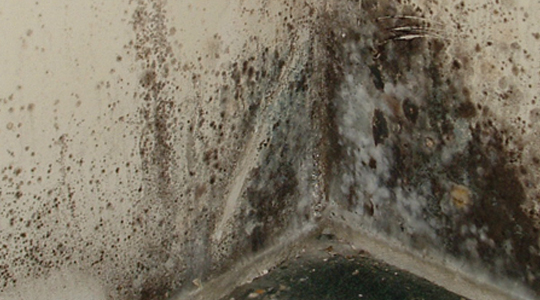
In the middle of winter it can get quite wet and damp in New Zealand, can’t it? When it gets really damp, it is common for things like mould and fungi to start to grow. We can often see them on the walls, ceilings or floors of our houses or outside on footpaths, buildings or roadways. Some types of mould and fungi are so small that they can’t be seen. Some of these tiny fungi/mould can be found in the air. They are called ‘airborne fungi’ and they can be unhealthy for us.
Let’s imagine that we tested the air in your classroom and found 7 different kinds of mould. Eek! The cleaner says that it takes 5 days for each mould to be eradicated (removed). If the school had to remove each mould one at a time, how long would it take to remove all the mould from the classroom?


On your blog, tell us how you would solve this tricky maths problem. Be sure to also post your final answer in days or weeks.

I worked this out by going 7 x 5 =35

Monday, 7 January 2019

Week 3, Day 1, Activity 1,2,3

DAY 1: A Heated Debate

Activity 1: Togs or Trackies? [4 points]
New Zealand is a pretty lovely place to live, isn’t it? Apparently, New Zealand (NZ) is also a pretty lovely place to visit. In 2017 approximately 2-3 million people came to visit NZ as tourists. Some of them chose to come in the middle of our summer, while others braved it and came in the middle of winter! When do you think is the best time of year (season) to visit NZ?
If you would like some help making a decision, feel free to read the Go New Zealand website. It has lots of information about the seasons in NZ!
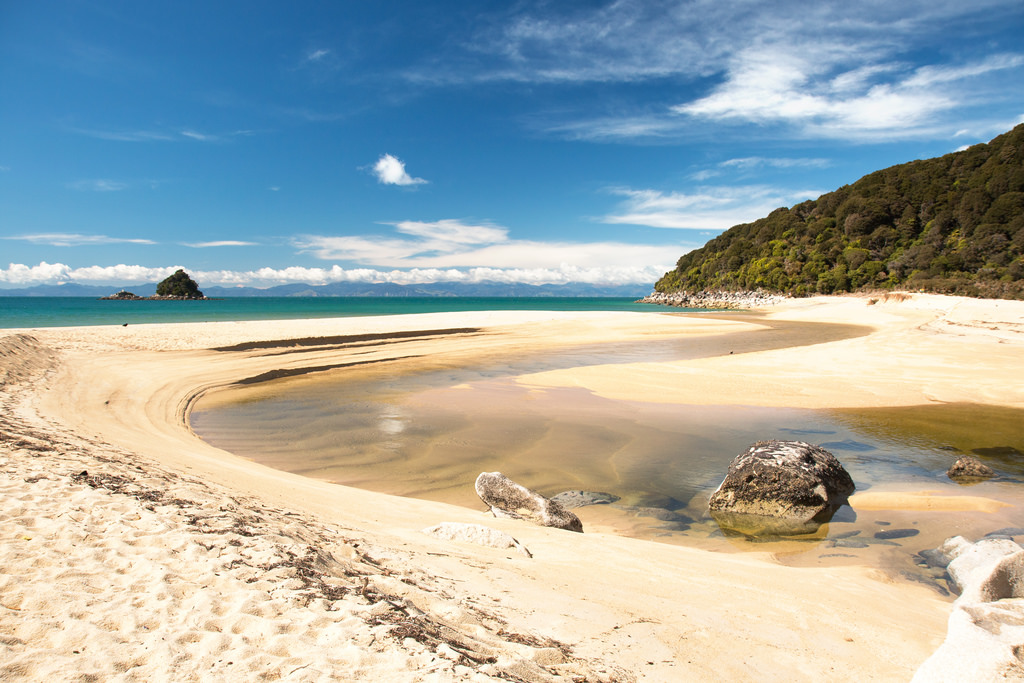
I, personally, encourage my friends and family from overseas to come and visit NZ in early spring. The weather is usually warm and dry and the tourist attractions, beaches and holiday spots are less busy than they are in the middle of summer.
On your blog, tell us what time of year you think is best for tourists for come and visit. Be sure to share at least three things that tourists could do while they were here in NZ.
1) Go to a river or a beach for a swim (I love the Punakaiki one)
2) Luging, Jet Boating, Carting, Zip-lining in Queenstown. (I have been luging loads of time and I have been in a jet boat once, I loved it. I also want to try the carting and zip lining)
3) Go for a stroll or tramp, we have tons of walks in New Zealand!


Activity 2: You are my Sunshine [4 points]


People in New Zealand love spending time outdoors. Unfortunately, the sun is very powerful and the rates of skin cancer are incredibly high in New Zealand. In fact, they are higher than anywhere else in the entire world! To protect ourselves against skin cancer, we need to be careful about how much time we spend in the sun. We have to be ‘Sunsmart.’

Read the Sunsmart website.

On your blog, list five different things that we can do to protect ourselves from the sun this summer!

Slip) Slip into the shade and slip on a shirt with long sleeves
Slop) Slop sunscreen all over your body
Slap) Wear a hat
Wrap) Wear wrapped around sunglasses
.
Activity 3: Burning Up… [15 points]
While it can get hot in New Zealand, especially in the middle of summer, it gets even hotter in places like Dallol (Ethiopia), Dasht-e Loot (Iran), Tirat Zvi (Israel), Kabili (Tunisia) and Bandar-e Mahshahr (Iran).
The hottest temperature on record in each place is: Dallol: 41oC; Dasht-e Loot: 71oC; Tirat Zvi: 54oC; Kabili: 55oC; Bandar-e Mahshahr: 51oC. Crazy ‘eh?!
For this activity, you are asked to use this information to create a graph. The graph should have a title along with the names of each city and their hottest recorded temperatures. You can draw the graph by hand or use a computer programme like Google Draw to create your graph. It’s completely up to you!
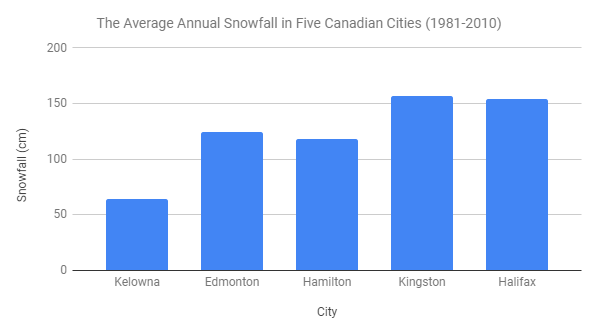
Here is an example of a graph:
On your blog, post a picture of your graph..

Here is my graph: